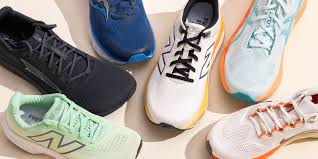
If you’ve ever felt sore feet after a workout, or struggled to stay comfortable during a run, chances are your shoes had something to do with it. The truth is, your footwear can make or break your performance—whether you’re training for a marathon, sweating it out at the gym, or playing a sport on weekends.
At Aletos, we believe the right shoes aren’t just about style—they’re about helping you move better, stay protected, and feel confident in every step. So, how do you choose the best sports footwear for your goals? Let’s break it down.
Why Footwear Matters for Performance
Think of your shoes as the foundation of your body’s movement. Just like a building needs a strong base, your workouts need proper support. The wrong shoes can:
- Cause blisters, aches, and fatigue.
- Increase your risk of injuries like shin splints or ankle sprains.
- Limit how efficiently you move.
On the other hand, the right sports footwear:
- Cushions your joints from repeated impact.
- Gives you stability and grip for different surfaces.
- Keeps you comfortable, so you can focus on performance—not pain.
Step 1: Match the Shoe to the Activity
Not all sports shoes are created equal. Each activity demands something different. Here’s a quick guide:
- Running → Look for lightweight shoes with responsive cushioning and breathable mesh. These reduce shock and keep you comfortable on long runs.
- Gym & Training → Choose versatile shoes with a flat, stable base for weightlifting, plus flexibility for cardio and HIIT.
- Court Sports → Basketball, tennis, and badminton require shoes with strong lateral support, excellent traction, and ankle stability.
- Outdoor Adventures → Hiking or trail running needs rugged soles with deep treads, water resistance, and added support for uneven ground.
- Everyday Athleisure → Lifestyle sneakers that blend light cushioning and modern design are perfect for casual sports and daily wear.
Step 2: Know Your Feet
Everyone’s feet are different—and so are their needs. Before buying, ask yourself:
- Do you have flat feet, neutral arches, or high arches? (This affects how much arch support you need.)
- Do your feet tend to swell after workouts? (If yes, you may need half a size bigger.)
- Do you need extra ankle support for stability?
Understanding your foot type helps you pick shoes that feel like they’re made just for you.
Step 3: Focus on Fit and Comfort
A good-looking shoe is useless if it doesn’t fit right. Here’s how to get it right:
- Always try both shoes and walk around before deciding.
- Make sure there’s about a thumb’s width of space at the front for your toes.
- Your heel should feel secure—no slipping.
- Comfort should be instant. If you’re waiting for the shoe to “break in,” it’s probably not the right pair.
Step 4: Pay Attention to Materials
Modern sports footwear isn’t just about design—it’s about technology.
- Breathable fabrics keep your feet dry and reduce odor.
- Lightweight materials prevent fatigue during long sessions.
- Durable construction ensures your shoes don’t wear out too soon.
At Aletos, every pair is made with premium materials that balance durability, comfort, and style—so you don’t have to compromise.
Step 5: Replace Them at the Right Time
Even the best shoes don’t last forever. Most running shoes, for example, need replacing every 500–800 kilometers. Signs it’s time to let go:
- Worn-out soles with poor grip.
- Flat cushioning that no longer absorbs impact.
- Discomfort or aches even during light activity.
Think of it as maintaining your performance. Fresh shoes mean fresh energy.